Dearest Gentle Reader,
Every generation thinks it invented the pop star, but truth be told, we’ve always had them: people who take language, love, and drama, spin it into art, and make the world line up just to feel something.
To quote our dear Travis Kelce: “She’s so hot when she uses big words.” And who else could be the original purveyor of big words besides Shakespeare? Before Taylor Swift and her eras, there was William Shakespeare with his quills and soliloquies.
Let’s talk about why Shakespeare was basically the Taylor Swift of ye olde times:
1. He shaped the vocabulary, just like Taylor Swift’s song lyrics
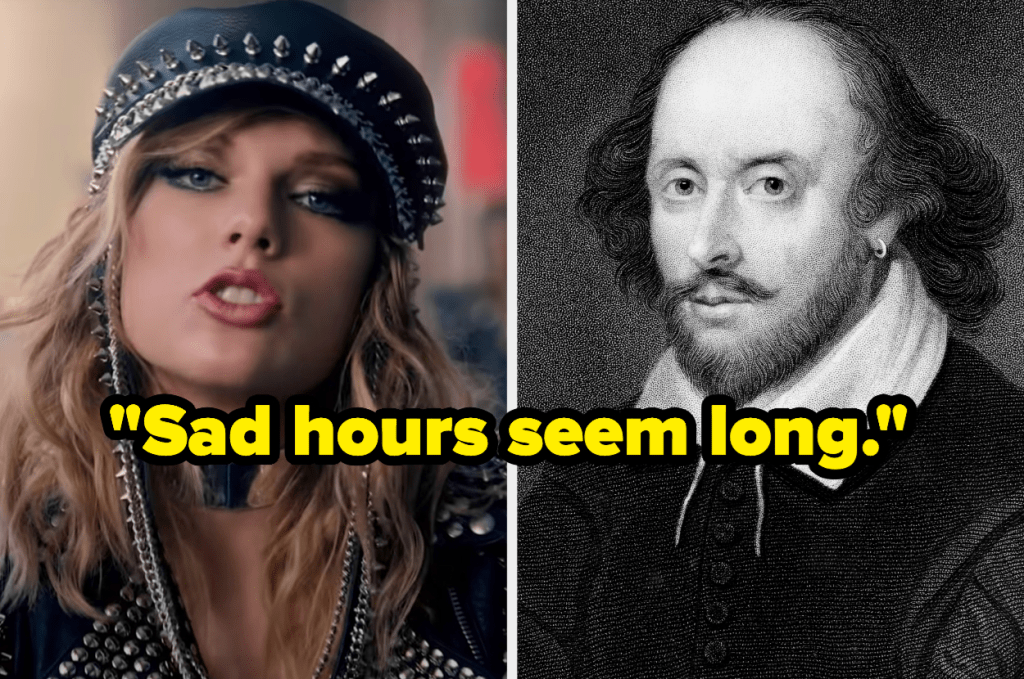
William Shakespeare invented over 1.700+ words. From “bedazzle” to “gossip, and even the word “fashionable,” the way we speak today owes itself to his lyrical experiments.
- “Wild-goose chase” (Romeo and Juliet)
- “Wear my heart upon my sleeve” (Othello)
- “What’s done is done” (Macbeth)
- “Too much of a good thing” (As You Like It)
- “Love is blind” (The Merchant of Venice)
Today, Taylor Swift shapes our vocabulary in much the same way with her song lyrics and song titles.
- “I’m in my ____ era”: I’m in a new era of my life
- “Reputation era”: a villain-era comeback
- “All too well”: The kind of heartbreak that lingers
- “Daylight”: An endgame kind of love
- “It’s me, hi. I’m the problem it’s me”: An admission of being the problem
- “Easter egg”: Not just easter eggs, now they mean hints
2. His works were cultural events, like Taylor’s album drops.
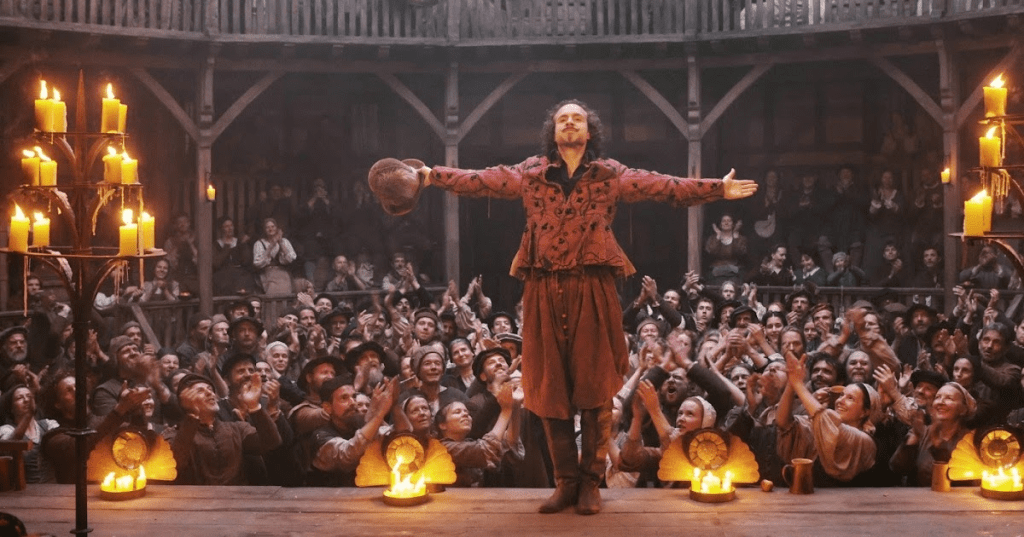
In the 1600s, Londoners would wait to see what Shakespeare was cooking up next. His plays were thee entertainment and pop culture back then, with everyone talking about the play after.
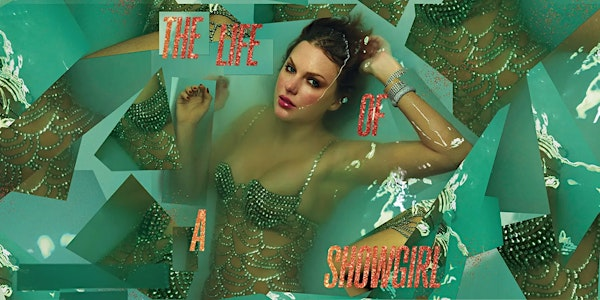
Sound familiar? Taylor announces an album and the entire internet goes ablaze with the color orange, memes, speculation, think pieces, and reaction videos as proved by her recent “The Life of a Showgirl” drop.
3. His love life was public property.
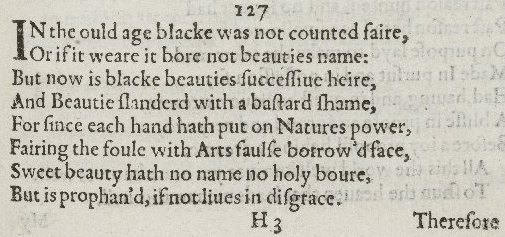
Was “the Dark Lady” from Sonnet 127 real? The woman who captured Shakespeare’s dreams and nightmares with her dark hair dun-colored skin? Who was the mysterious “Fair Youth” in his sonnets, whom he wrote countless sonnets about?
Shakespeare’s relationships fueled centuries of speculation, the same way Taylor’s dating history gets dissected and immortalized into hour-long video essays.
Both turned their heartbreak into art (and profited from it)!
4. His audience came in droves, like the Eras Tour.
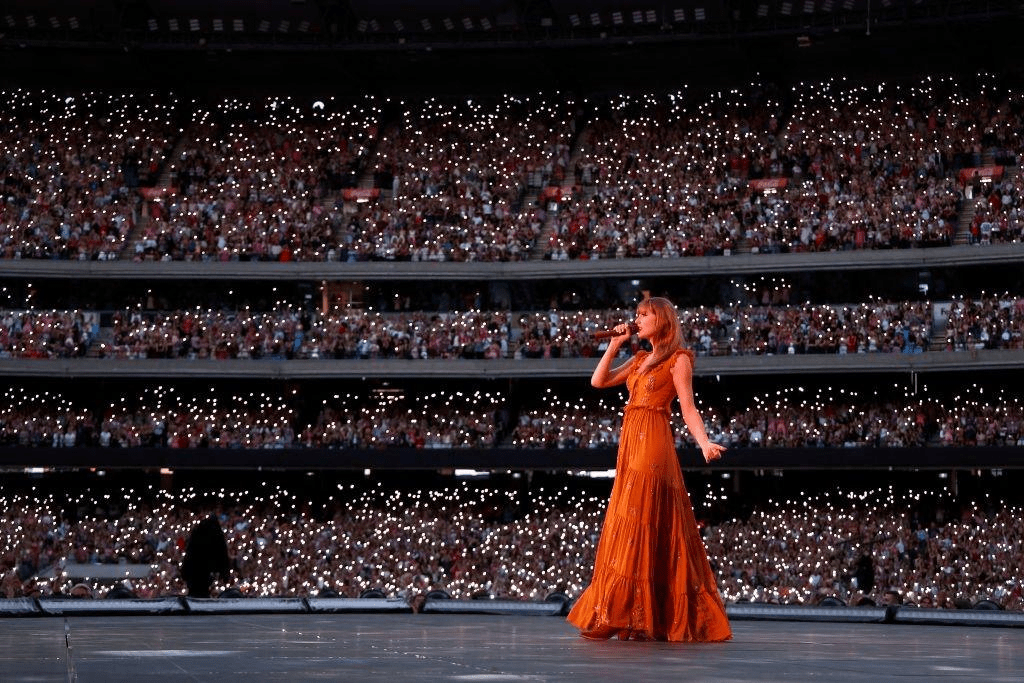
Shakespeare’s Globe Theatre was the Renaissance counterpart of today’s pop star stadium tours. The pit was the standing section, the balconies were the VIP seats, and everyone from peasants to queens showed up.
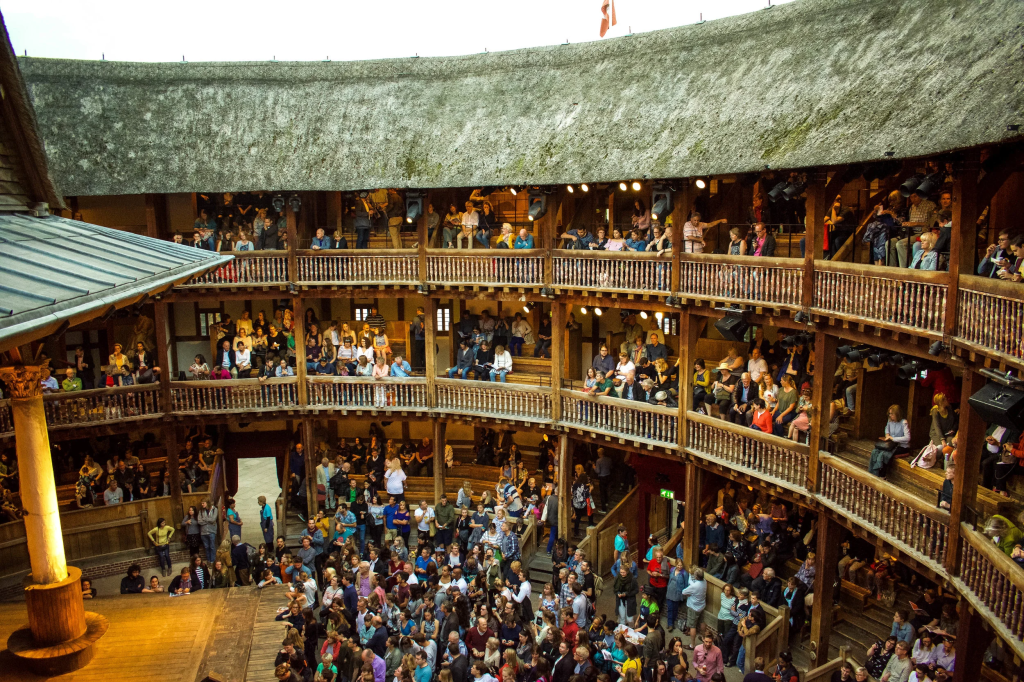
Just like the Eras Tour, his work collapsed the distance between “high art” and “popular culture.” Everyone wanted in.
5. Shakespeare captured the collective mood and turned it into art
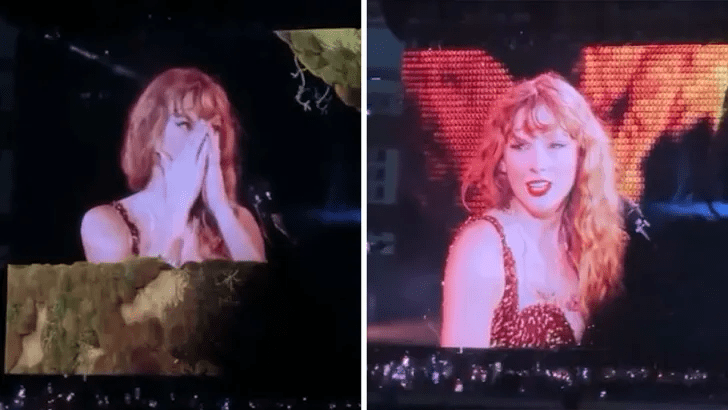
In the same way that Taylor’s “All Too Well” (Ten minute version) gave us catharsis about our breakups, Shakespeare gave Elizabethan England the language to talk about jealousy (Othello), ambition (Macbeth), and star-crossed love (Romeo and Juliet).
His language made emotions more accessible. For example, before Othello, jealousy was seen as a personal flaw or weakness. When Shakespeare called it “the green-eyed monster,” people were given a vivid image to describe the chaotic feeling. Suddenly, jealousy had a face and could be talked about openly.
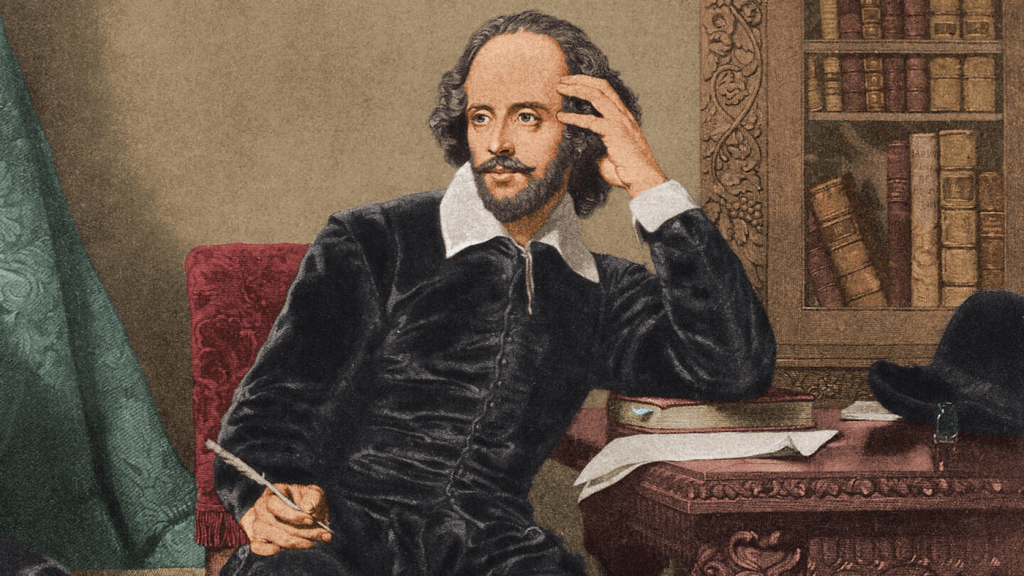
Additionally, Elizabethan England was a time of great upheaval, and in modern parlance: “Full of canon events.”
- Political instability made ambition and betrayal real social fears (Macbeth, Julius Caesar)
- Religious and ideological divisions and uncertainty about fate (Romeo and Juliet)
- Honor, reputation, and suspicion shaped social life (Othello)
Shakespeare gave each problem its own play, to dramatize and show onstage the collective mood of his society. This opened up spaces for conversation, allowing people to feel what they needed to feel.
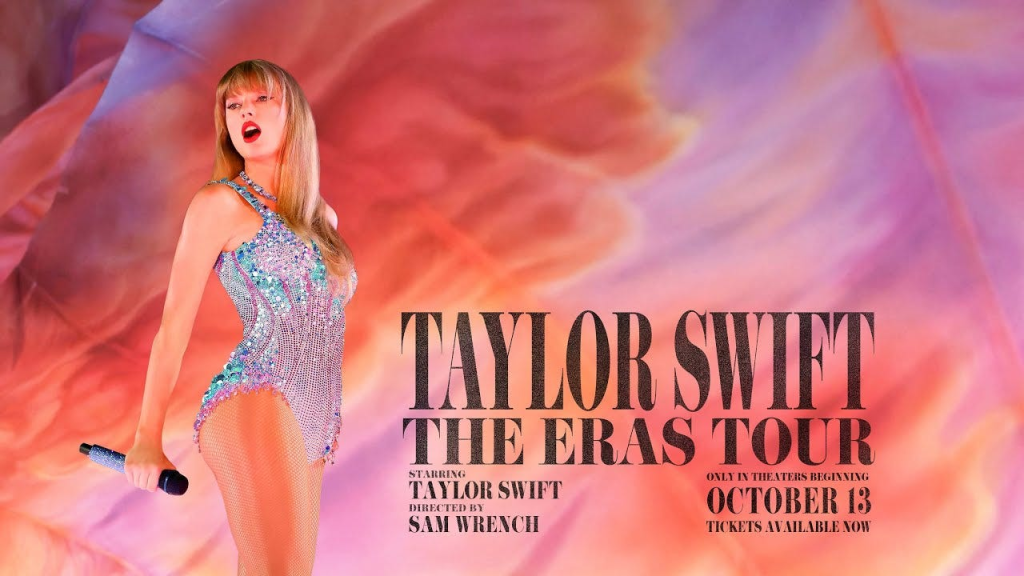
What cultural feelings did Taylor touch on with her Eras Tour? For this writer, it was as follows:
- Fractured modern identity (people feeling like they have to split themselves into fragments): By presenting her career as eras, people could now see their own lives as a coherent story
- Post-pandemic hunger for community: Friendship bracelets, eras-coded outfits, crying and screaming together was a salve for this loneliness.
- Cynicism of capitalism: The concert, while expensive, became less about consumption and more about joy and creation. We spent hours making bracelets, talking about our love lives, and making inside jokes.
- Craving for monoculture: In a time we were all split across different sides of tiktok due to the algorithm, the eras tour provided a brief respite of monoculture. What city was she playing in? Did she cry during the Lover set? Play “London Boy” on the England leg of her tour? etc.
- Culture wars over femininity: By showing all her eras in one big show, she combined multiple the archetypes to destroy the Madonna-Whore complex the media has used against her multiple times.
- Yes, she can be “Fearless” Taylor one second and do a seductive dance routine in “Vigilante Shit.” It’s okay! People contain multitudes, and people grow up.
6. He mastered the art of reinvention.
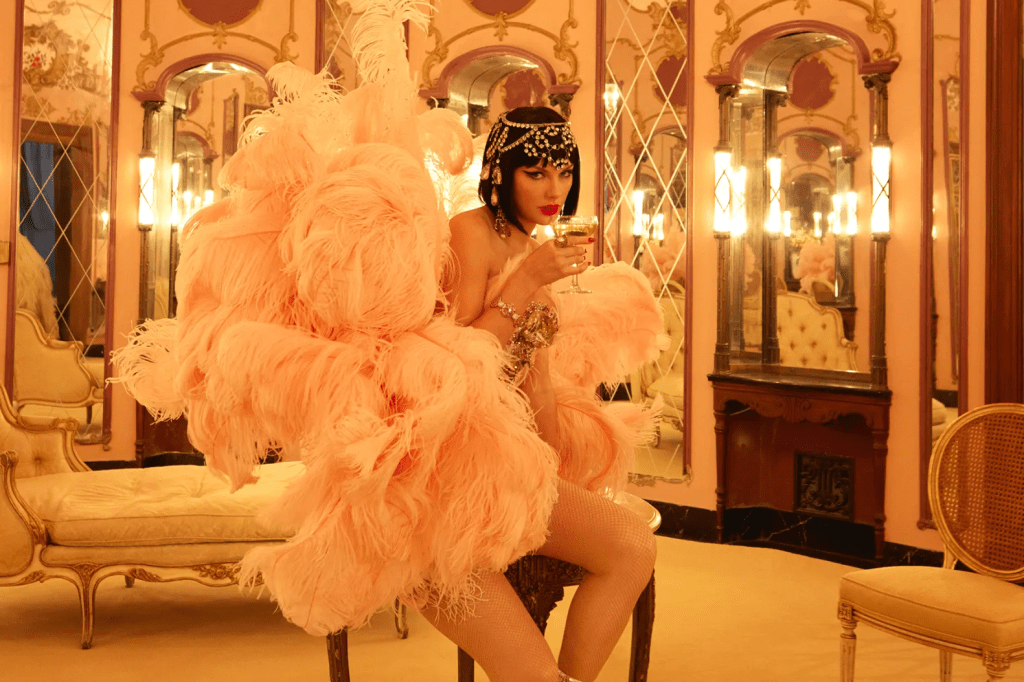
Comedy, tragedy, sonnets, histories—Shakespeare never stayed in one genre.
Similarly, Taylor shapeshifted from country twang to synth-pop to indie folk to icy revenge pop, to quill pen songs: always keeping her audience guessing. While her most iconic transformations were the pop star birth in “1989” and the villainous edge in her “Reputation era,” her most recent transformation shows she’s still got it! From the weary academic greys of “The Tortured Poets Department,” we now have the the vibrant orange hues of “The Life of a Showgirl.” 🧡
In fact, her most recent album cover alludes to Shakespeare, featuring a drowning Swift. The first song on the album names one of Shakespeare’s most famous heroines: “The Fate of Ophelia.”
Maybe Shakespeare never sang about the teardrops on his lute, but the parallels are hard to miss: Taylor Swift is Shakespeare with a guitar, and Shakespeare was Taylor Swift with a quill.
Both proved that nothing is more timeless than the drama of the human heart.
Thank you for reading! Check out the rest of “Pop Star Philosophy” here.
 Milo Moone
Leave a comment